

In June 1765 Daines Barrington turned his sceptical scientific eye on an extraordinary subject: a nine-year-old boy at a harpsichord in Soho, whose abilities all of London was talking about and half of London refused to believe. The report he submitted to the Royal Society treated Wolfgang Amadeus Mozart not as a marvel to be praised, but as a phenomenon to be tested — which is exactly why we still trust it.
How Mozart ended up as a scientific specimen in London
When Leopold Mozart set out from Salzburg in June 1763, England was not on the itinerary. The plan ran through the German courts, the Austrian Netherlands, Paris, and possibly northern Italy. London was added only after the family reached the French court. As Leopold wrote to his Salzburg landlord and creditor Lorenz Hagenauer on 28 May 1764: “When I left Salzburg, I was only half resolved to go to England: but as everyone, even in Paris, urged us to go to London, I made up my mind to do so.” The draw was money — London was the richest, biggest city in Europe, with a wealthy merchant class that paid for public performances, unlike the court-bound concert life elsewhere. The family left Paris on 10 April 1764, endured a vomit-soaked Channel crossing, and reached London on 23 April.
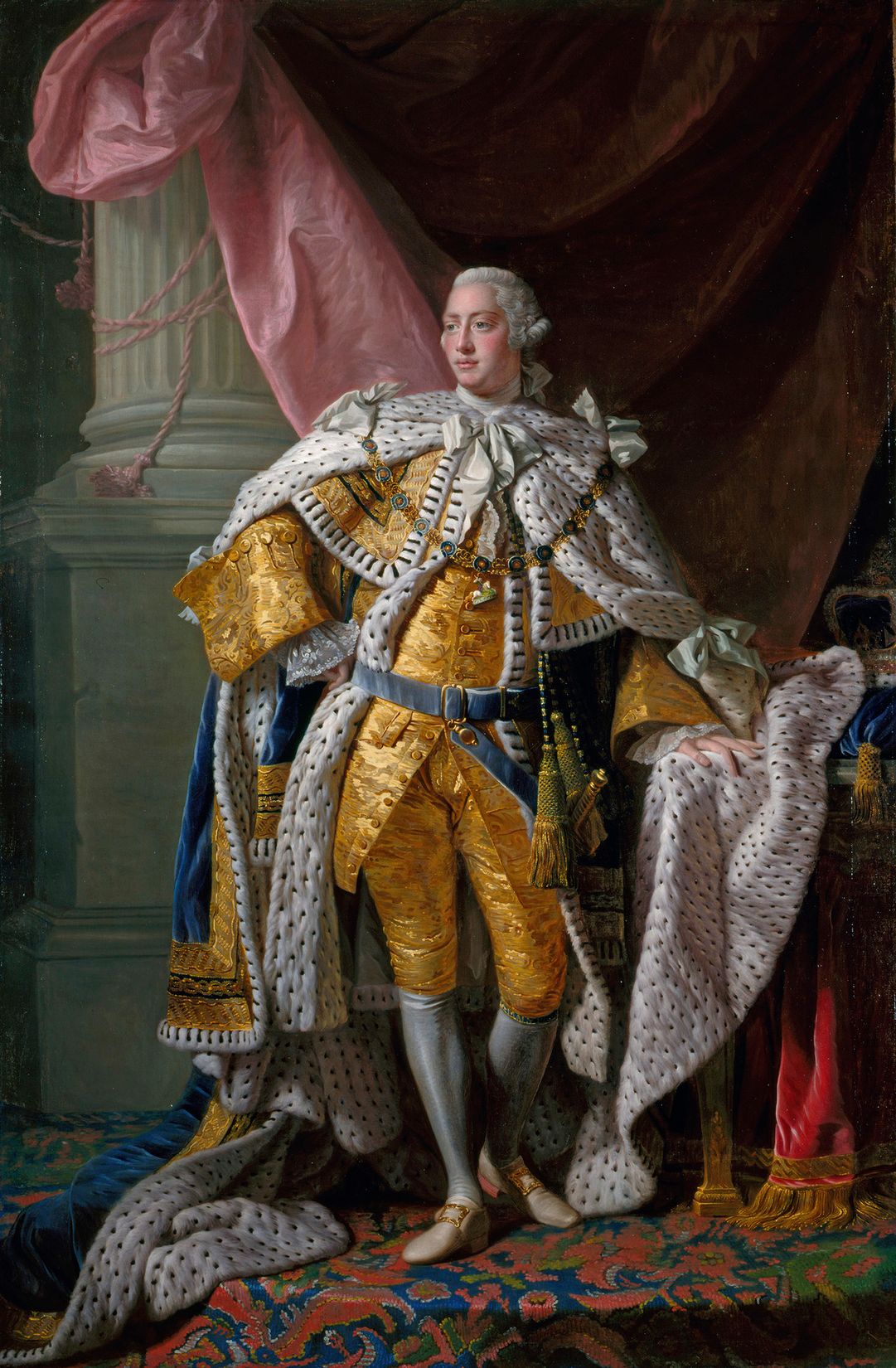
The opening was triumphant. Within days — on 27 April 1764 — Wolfgang and Nannerl performed for King George III and Queen Charlotte at Buckingham House; they returned on 19 May, when Wolfgang sight-read works by J.C. Bach, Abel, and Handel and accompanied the Queen as she sang. A third visit came on 25 October 1764. The King’s favor was real; Leopold wrote that “the welcome which we have been given here exceeds all others.” The boy’s six sonatas for keyboard and violin (K. 10–15) were published in 1765 with a fulsome French dedication to Queen Charlotte.

Hi, this is a comment.
To get started with moderating, editing, and deleting comments, please visit the Comments screen in the dashboard.
Commenter avatars come from Gravatar.